Creating your wedding guest list is one of the first, and often most emotional, parts of wedding planning. Before you choose a venue, finalize your budget, or send invitations, you'll need a clear idea of who's celebrating with you.
The good news? There isn't one "right" way to create a guest list. The best list is the one that reflects your relationship, your budget, and the kind of celebration you want to have. We'll walk through how to structure your guest list, who you can reasonably leave off the list, how to navigate child-free weddings, and proper invitation etiquette.
Start With Your Wedding Vision
Before you begin listing names, take a moment to define the type of wedding you're planning.
Ask yourselves:
Do we want an intimate gathering or a large celebration?
What's our overall guest budget?
How many people can our venue comfortably accommodate?
Are both families contributing financially, and will they have guest requests?
Having these conversations first makes every guest list decision easier.
How to Structure Your Wedding Guest List
Rather than creating one long list, organize your guests into categories.
Immediate Family
Include parents, siblings, grandparents, and anyone you consider immediate family.
Extended Family
Aunts, uncles, cousins, nieces, nephews, and close family relatives.
Close Friends
The people who have consistently been part of your life and relationship.
Friends
Friends you enjoy spending time with but may not see as frequently.
Coworkers
Only invite coworkers if you're genuinely close outside of work or if inviting one person but excluding others would create an uncomfortable situation.
Family Friends
People your families are especially close with who have played an important role in your lives.
Create "Must-Have" and "Nice-to-Have" Lists
One of the easiest ways to stay within your budget is by creating two guest lists.
Must-Have Guests
These are the people you can't imagine getting married without.
Nice-to-Have Guests
People you'd love to celebrate with if space and budget allow. As RSVP responses come in, you'll have flexibility if your venue capacity changes.

Is It Okay Not to Invite Everyone?
Absolutely.
One of the biggest misconceptions about weddings is that every friend, coworker, cousin, or acquaintance expects an invitation. Most people understand that weddings have guest limits.
Here are a few situations where it's perfectly acceptable not to invite someone:
You haven't spoken in years.
You only know each other through social media.
You're inviting close family but not distant relatives.
They're a coworker you're friendly with but don't socialize with outside of work.
Inviting them would exceed your venue capacity or budget.
You're planning a small or intimate wedding.
A helpful guideline is to ask:
"Will we still have this person in our lives five years from now?"
If the answer is no, it's okay to leave them off the guest list.
Don't Feel Obligated to Return Every Invitation
Just because someone invited you to their wedding doesn't automatically mean you need to invite them to yours. Circumstances change. Budgets change. Guest counts change. Your wedding should reflect your current relationships, not obligations from years ago.
Setting Plus-One Rules
Not every guest automatically receives a plus-one. Generally, it's appropriate to offer a plus-one if the guest:
Is married.
Is engaged.
Lives with their partner.
Is in a long-term relationship.
Won't know anyone else attending.
For guests attending with a named partner, include both names on the invitation rather than using "and Guest."
Planning a Child-Free Wedding
Choosing an adults-only wedding is becoming increasingly common. Whether it's due to venue capacity, budget, timing, or simply the atmosphere you envision, it's perfectly acceptable to have a child-free celebration. The key is communicating your wishes clearly and respectfully.
How to Tell Guests Children Aren't Invited
Avoid wording that sounds apologetic or confusing. Instead, be warm, direct, and consistent.
Some popular options include:
"We respectfully request an adults-only celebration."
"Although we adore your little ones, our wedding will be an adults-only event."
"We hope you enjoy a relaxing evening celebrating with us at our adults-only reception."
"Due to venue capacity, we are only able to accommodate guests named on the invitation."
If you're including details on your wedding website, you can expand slightly:
We love your children, but we've chosen to host an adults-only wedding. We hope this advance notice allows you plenty of time to arrange childcare and enjoy a fun evening celebrating with us.
How to Address Invitations When Children Aren't Invited
One of the clearest ways to communicate that children are not included is through proper invitation addressing.
Instead of addressing the envelope to:
The Smith Family
Address it to:
Mr. and Mrs. John Smith
or
John Smith and Sarah Smith
Only list the names of the invited adults.
If you're using an inner envelope, only include the invited guests there as well.
On your RSVP card or online RSVP, pre-fill the number of seats reserved. For example:
We have reserved 2 seats in your honor. This eliminates confusion and politely reinforces who is invited.
Be Consistent With Your Rules
If you're having a child-free wedding, apply the rule consistently whenever possible.
The only common exceptions are:
Children participating in the ceremony (flower girls or ring bearers)
Immediate family members, if you've chosen to make an exception
If you do make exceptions, understand that some guests may notice. Be prepared to politely explain that those children are part of the wedding party or immediate family.
Keep Your Guest List Organized
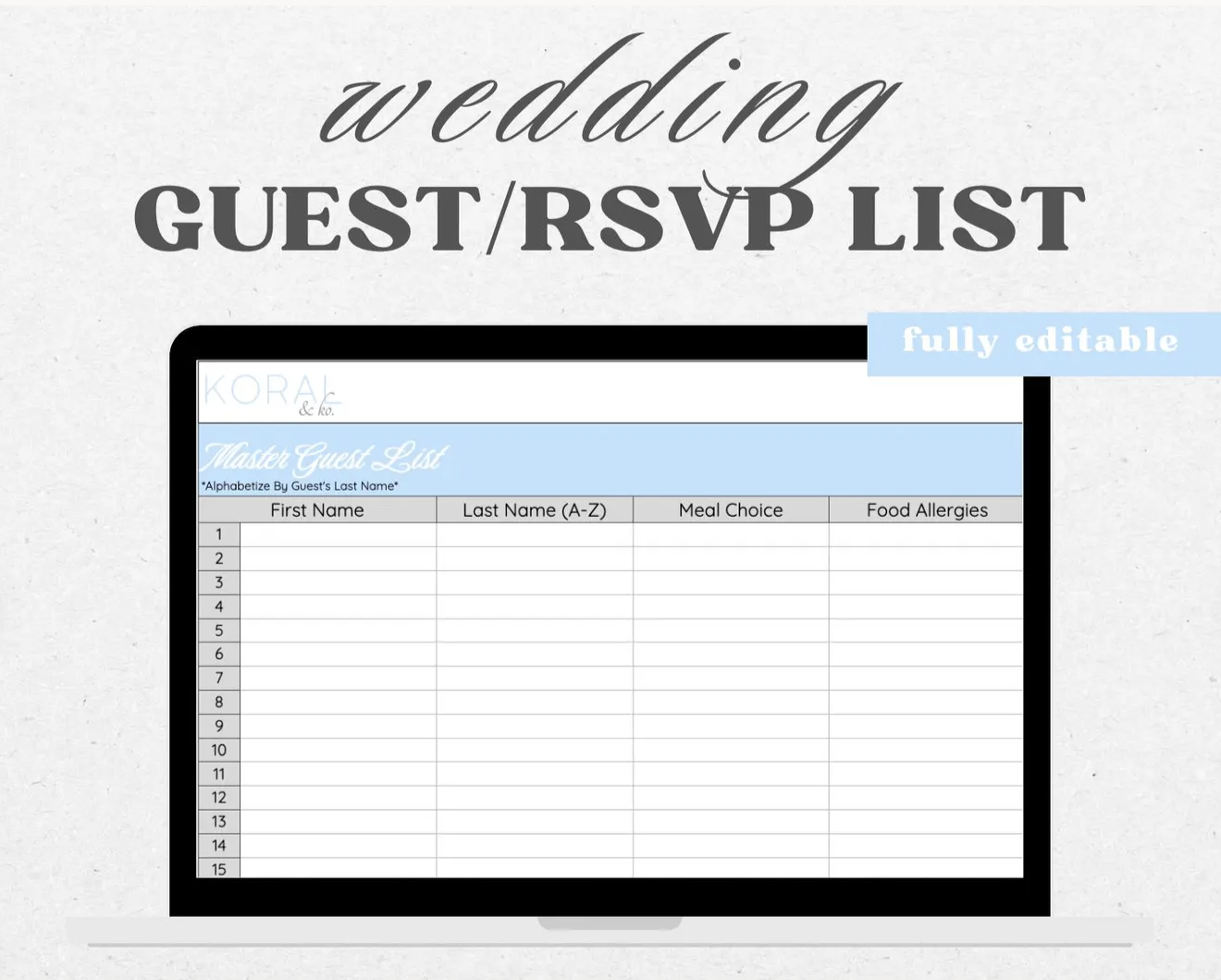
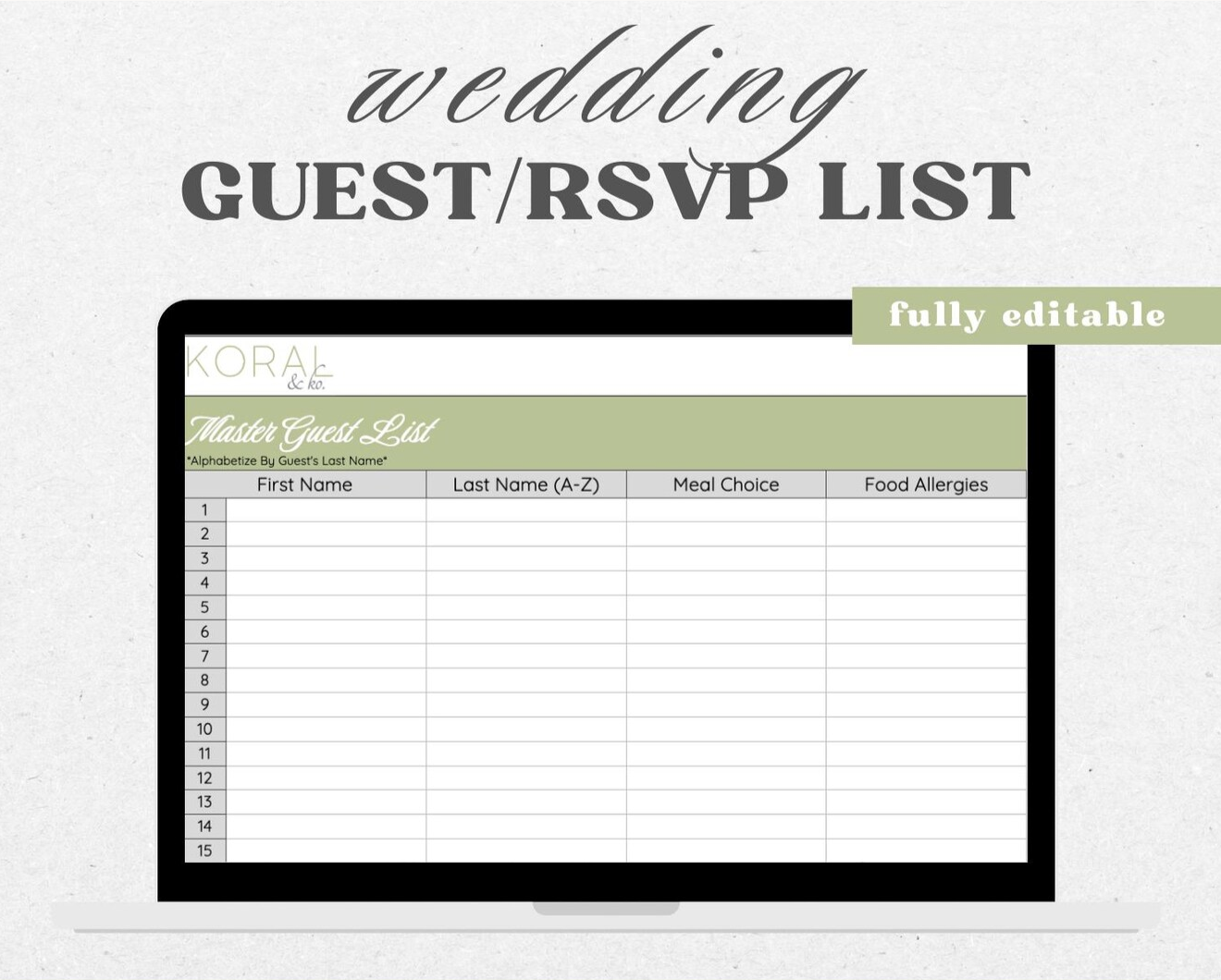
A well-organized spreadsheet can save hours of stress throughout the planning process.
Track details like:
Guest names
Household
Mailing address
Invitation status
RSVP status
Meal selections
Plus-one status
Gift received
Thank-you note sent
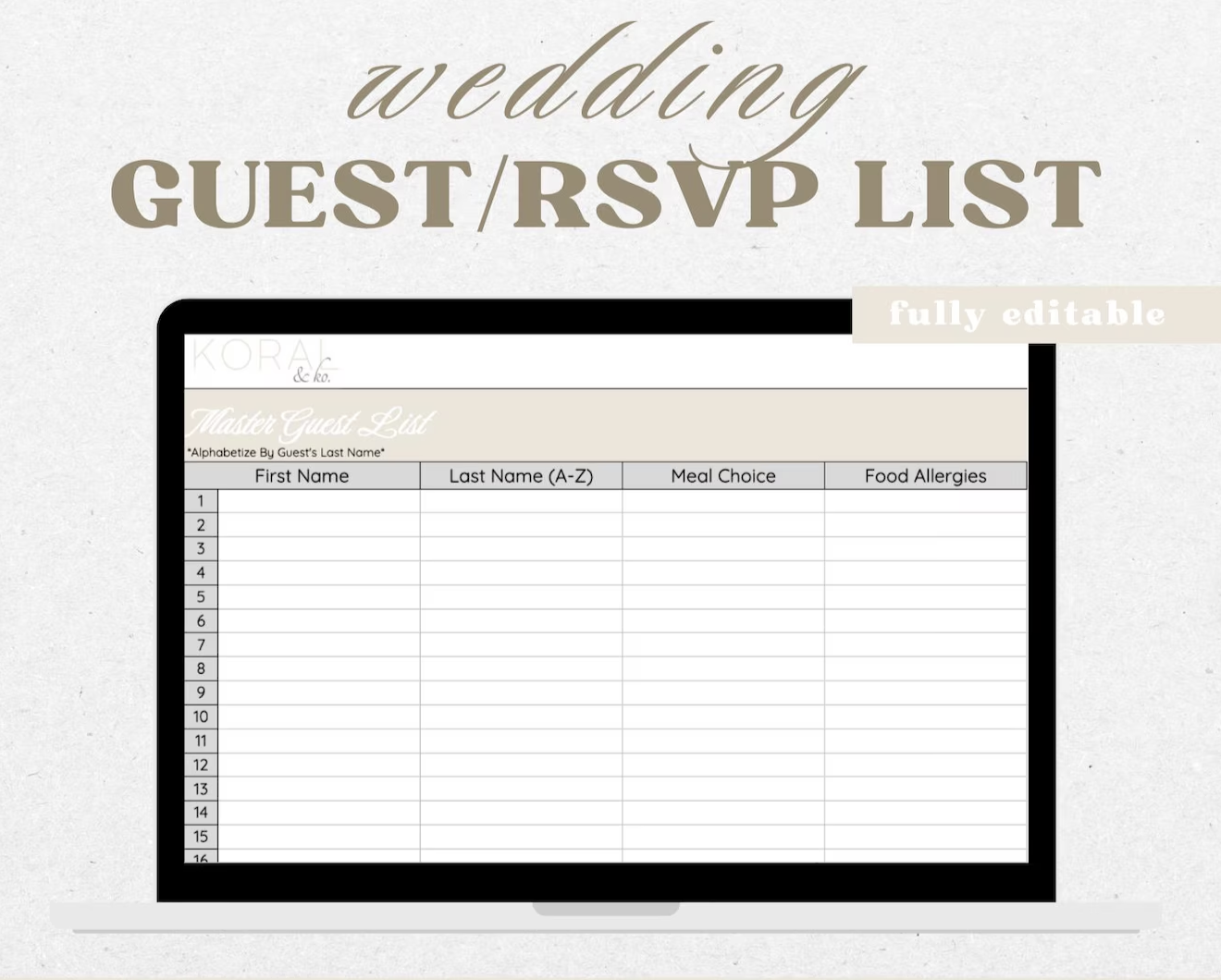
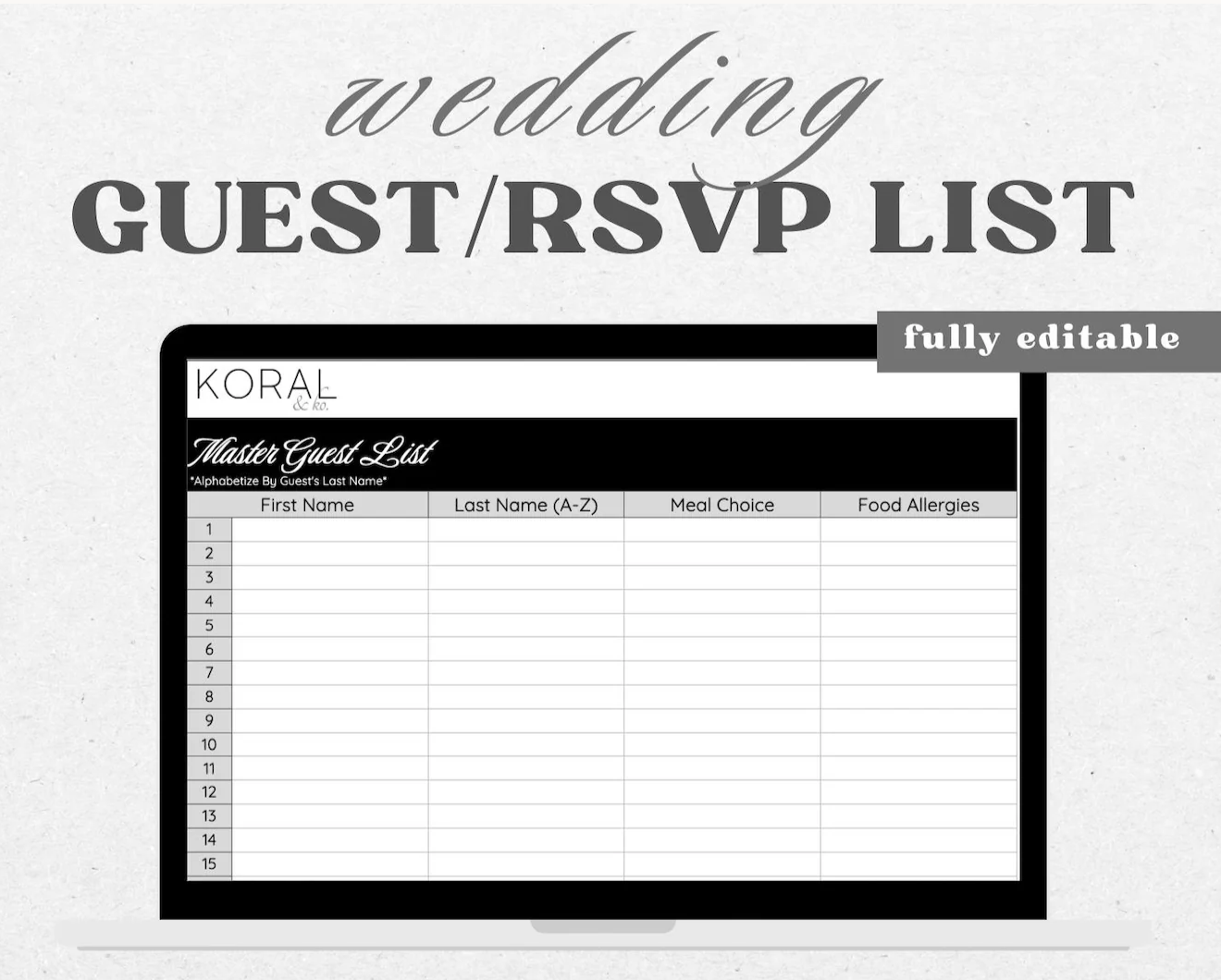
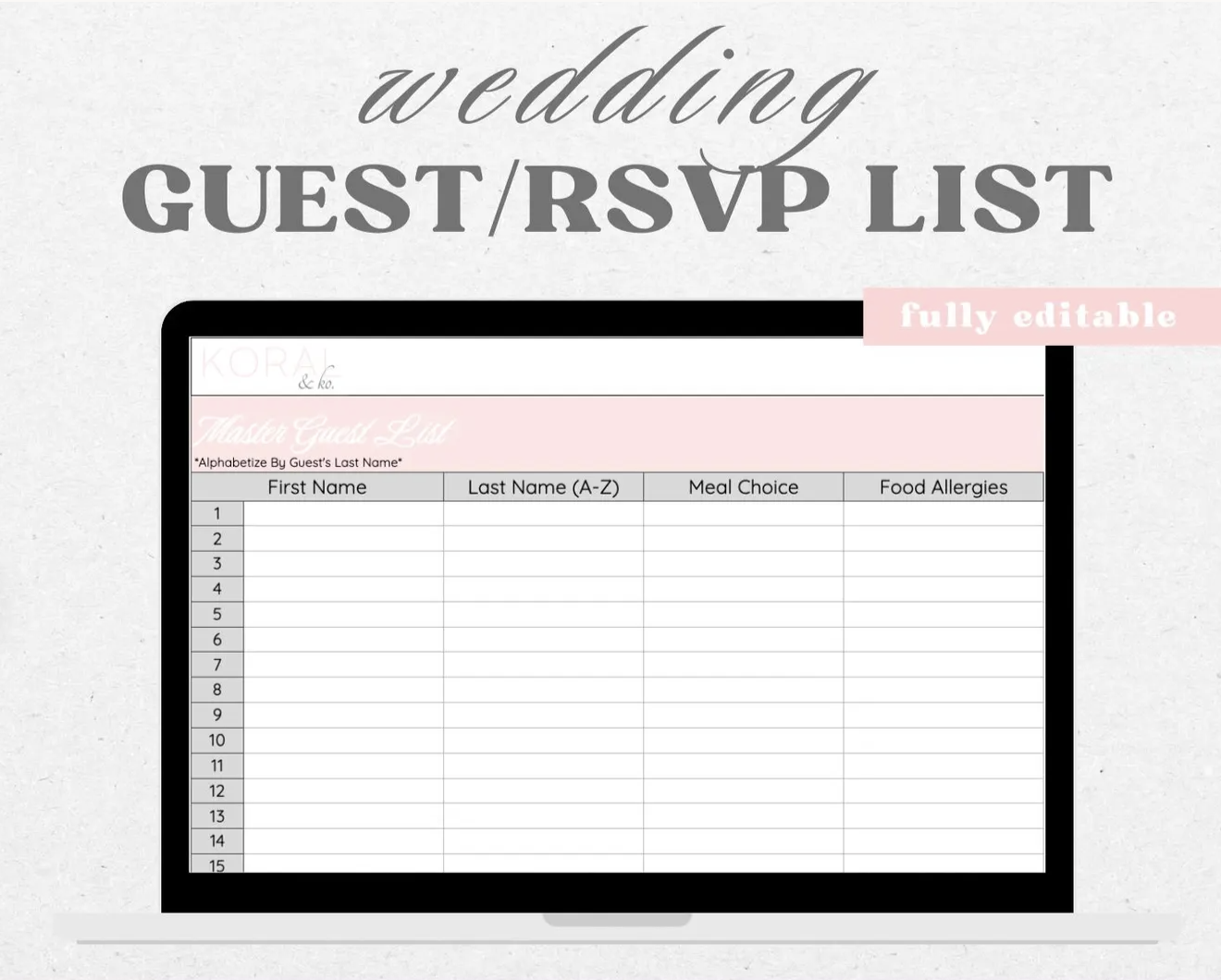
Having everything in one place makes invitation mailing, seating charts, and final venue counts much easier. Need a simple way to stay organized? Download our Wedding Guest List Template to track every guest from your first draft through your final RSVP count.
Remember: Your Wedding, Your Guest List
Your guest list doesn't need to please everyone else; it should reflect the people who matter most to you. Whether you're planning a cozy celebration with 30 guests or a ballroom reception with 300, making thoughtful, intentional choices will create a day that feels personal and meaningful. Focus on inviting the people who genuinely support your relationship and will help make your wedding day unforgettable.