One of the biggest misconceptions in wedding planning is that you're hiring individual vendors.
In reality, you're hiring a team of professionals working together to create an experience.
The weddings that feel effortless are rarely the result of one person. They're the result of a well-staffed team working behind the scenes, communicating, problem-solving, and ensuring every detail is handled without the couple ever noticing.
When couples choose vendors, it's easy to focus on the lead planner, photographer, bartender, or DJ. But what often makes the biggest difference on the wedding day is the support team standing behind them.
Whether you're hosting an intimate celebration of 50 guests or a 250-person wedding weekend, the right vendor teams can dramatically improve both your experience and your guests' experience.
Why Vendor Teams Matter
A wedding day involves hundreds of moving parts happening simultaneously.
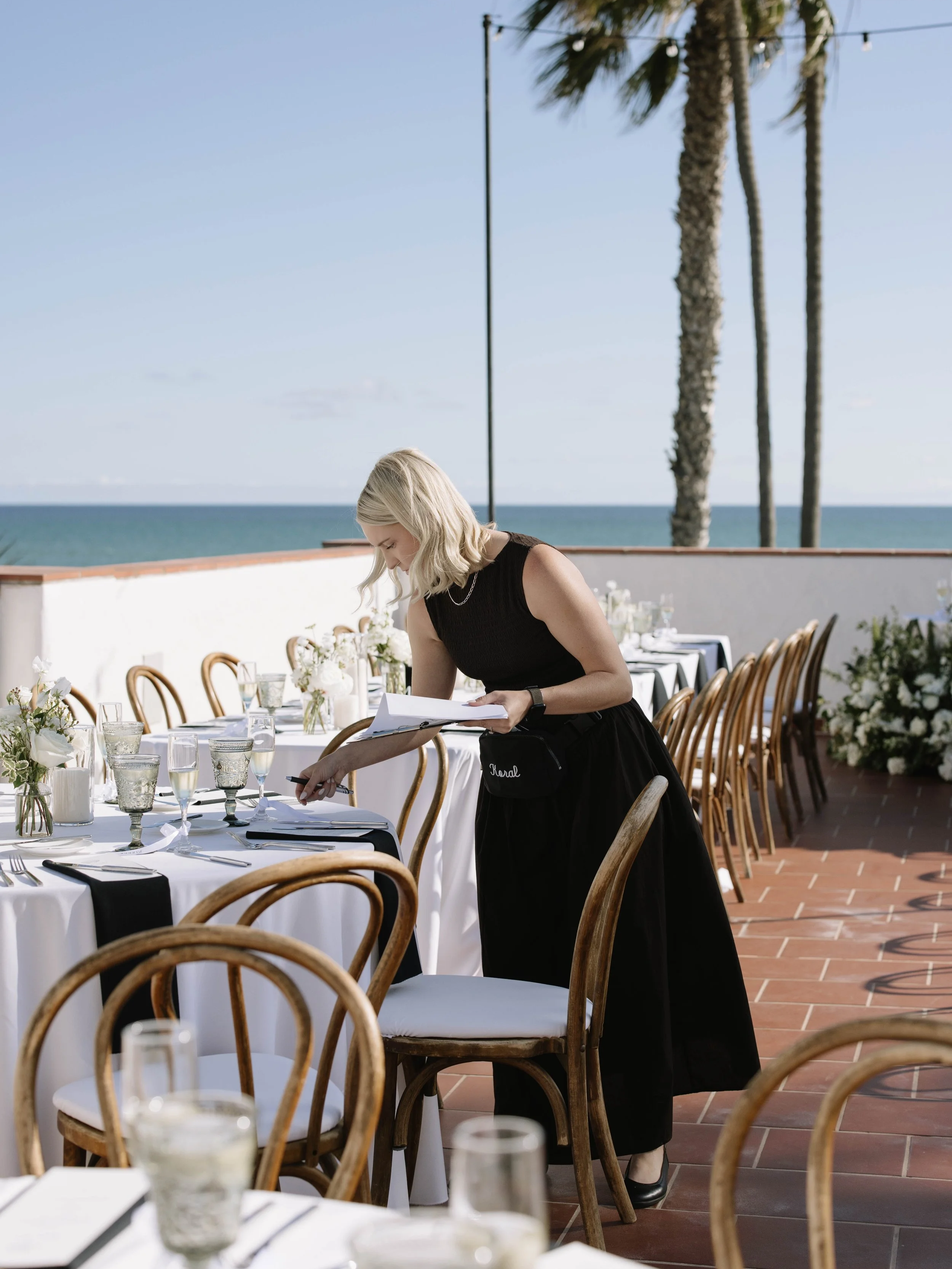
The ceremony is ending while cocktail hour begins. Guests are arriving at the bar while family portraits are being taken. Dinner service is underway while the DJ is preparing for introductions.
No single person can be everywhere at once.
That's why experienced wedding professionals build teams designed to support the event from multiple angles. When vendors have adequate staffing, they can focus on delivering exceptional service rather than simply trying to keep up.
Strong vendor teams create:
Faster response times
Better communication
More attention to detail
Greater flexibility when unexpected issues arise
A smoother experience for guests
Less stress for the couple
The result is a wedding that feels seamless rather than rushed.
Wedding Planning Teams
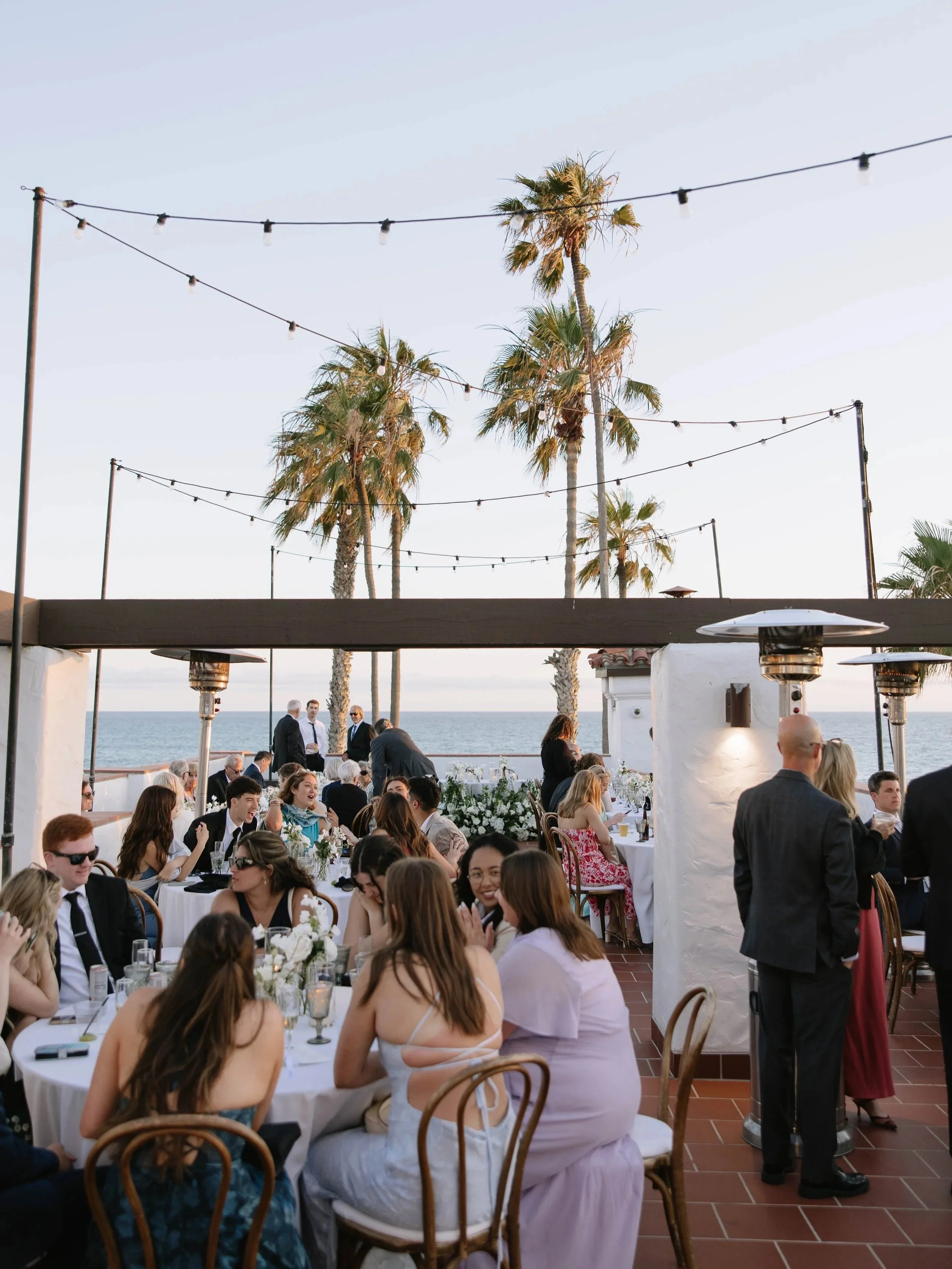
Many couples assume they're hiring one wedding planner. In reality, the best planning companies often operate as a team.
While the lead planner oversees the overall vision and logistics, planning assistants help execute the details on wedding day. They may greet vendors, manage timelines, direct guests, coordinate transportation, set décor elements, oversee ceremony setup, and troubleshoot issues before anyone notices.
For smaller weddings, one planner may be sufficient.
For larger weddings, multiple locations, complex timelines, or guest counts over 150, having assistants on-site becomes invaluable.
A lead planner shouldn't have to leave family photos to answer a catering question or abandon reception setup to direct guests to the ceremony. Support staff ensure everything continues moving smoothly while the lead planner remains focused on the bigger picture.
Photography Teams
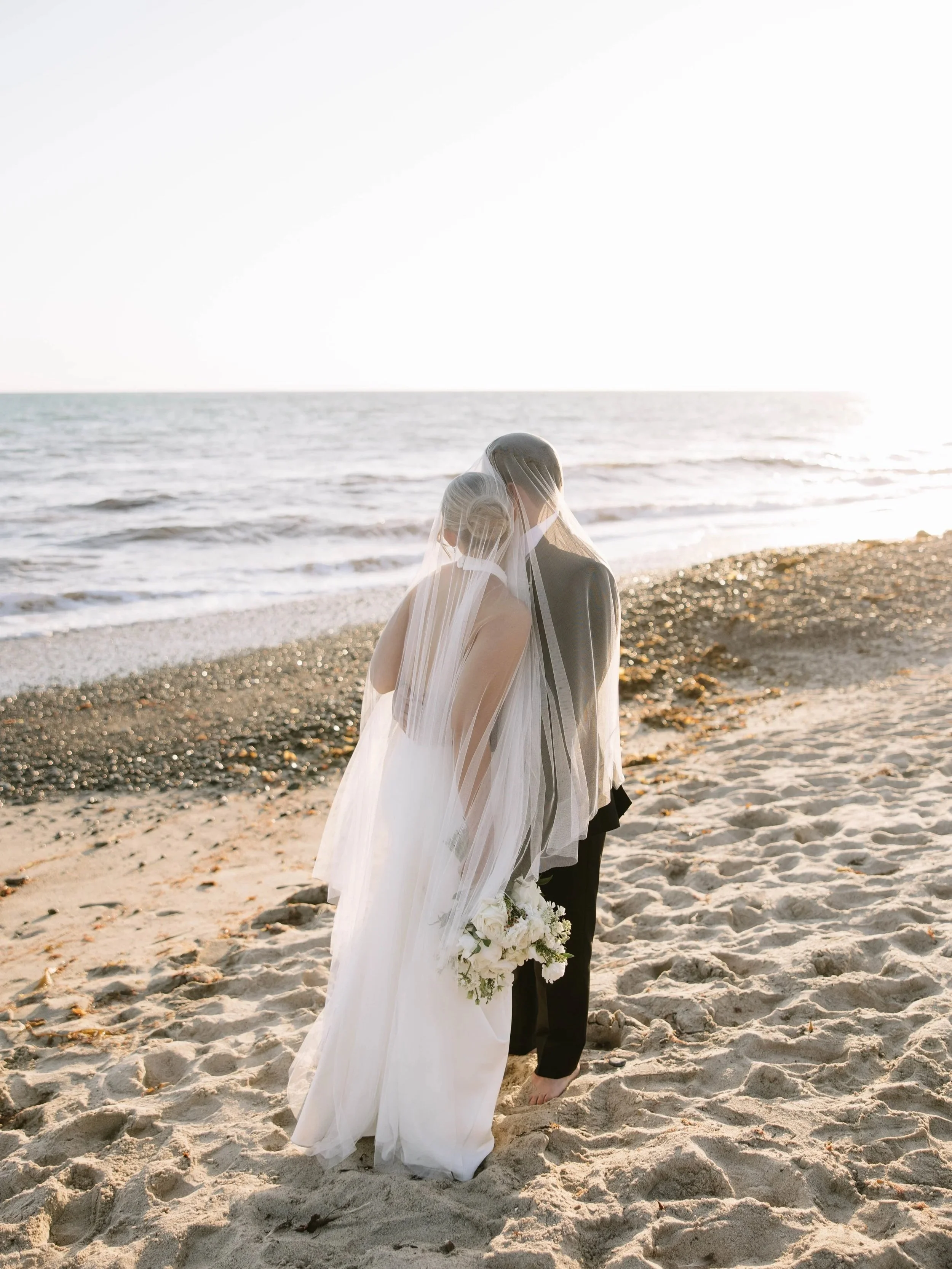
Photography is one of the clearest examples of why vendor teams matter. While many couples connect with the lead photographer's portfolio, they often overlook the importance of a second shooter.
A second photographer allows simultaneous coverage of multiple moments happening at once.
While the lead photographer captures the bride walking down the aisle, the second shooter can photograph the groom's reaction. While family portraits are happening, the second shooter can capture cocktail hour. While the couple is taking sunset portraits, the second shooter can document reception details and guest interactions.
The result isn't just more photos, it's a more complete story of the day.
Large weddings especially benefit from multiple photographers because there are simply too many moments happening simultaneously for one person to capture alone.
Catering & Bar Teams
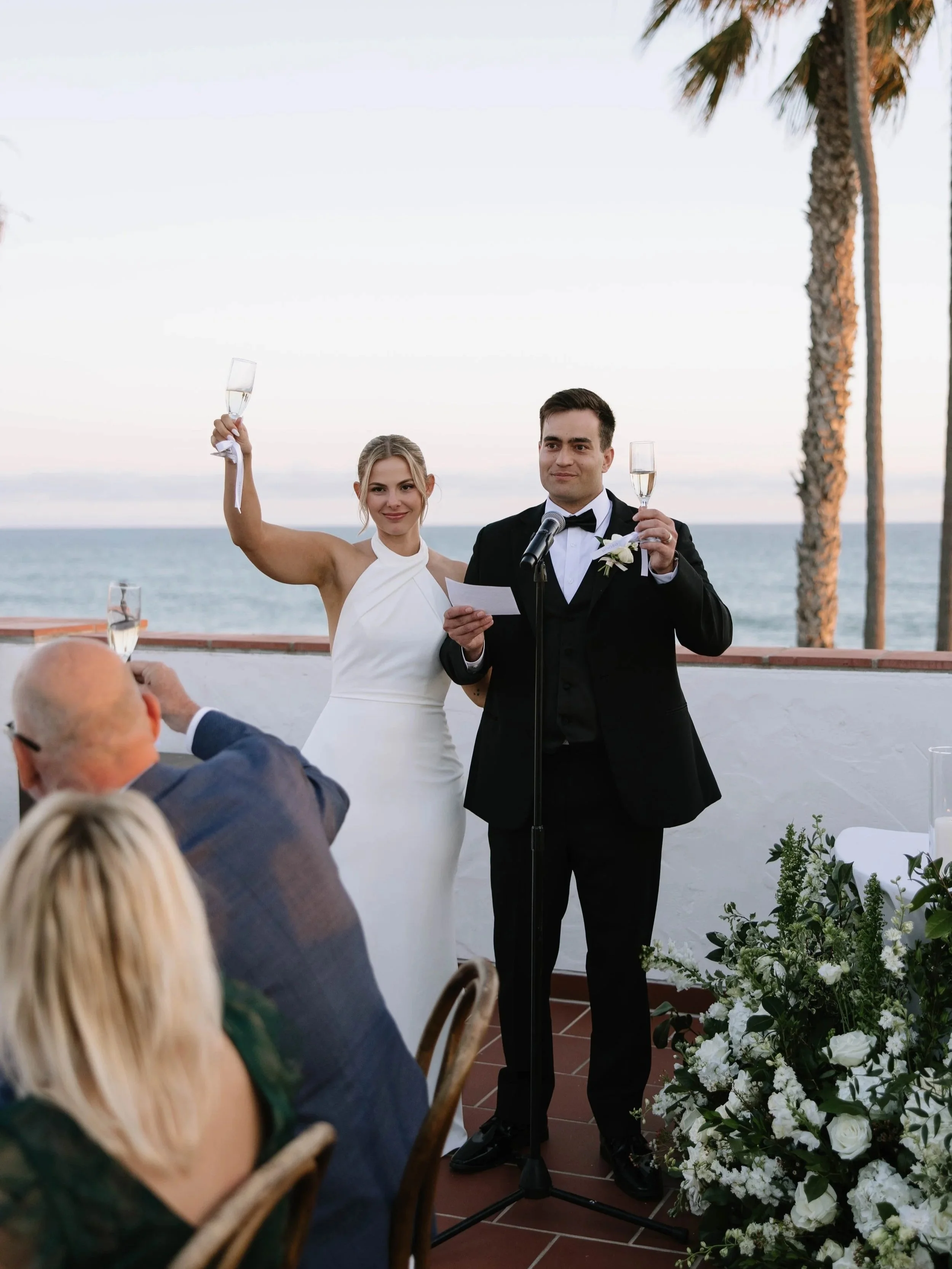
Guests may not remember every centerpiece, but they will remember waiting 20 minutes for a drink. One of the most common guest experience issues stems from understaffed food and beverage service.
Adequate bartending staff means:
Shorter lines
Faster service
Better guest interaction
More efficient cleanup
A smoother flow throughout the reception
The same applies to catering teams.
The right number of servers ensures meals arrive hot, tables are cleared efficiently, dietary restrictions are handled properly, and guests feel taken care of throughout the evening.
A talented bartender or caterer can only do so much alone. Great service depends on having the right team in place.
Entertainment Teams
Even entertainment vendors often operate as teams.
Many professional DJ companies provide assistants who help manage equipment, coordinate announcements, monitor timelines, and ensure transitions happen smoothly.
Live bands frequently travel with sound technicians and production support.
These team members may not be visible to guests, but they play a critical role in creating a polished experience.
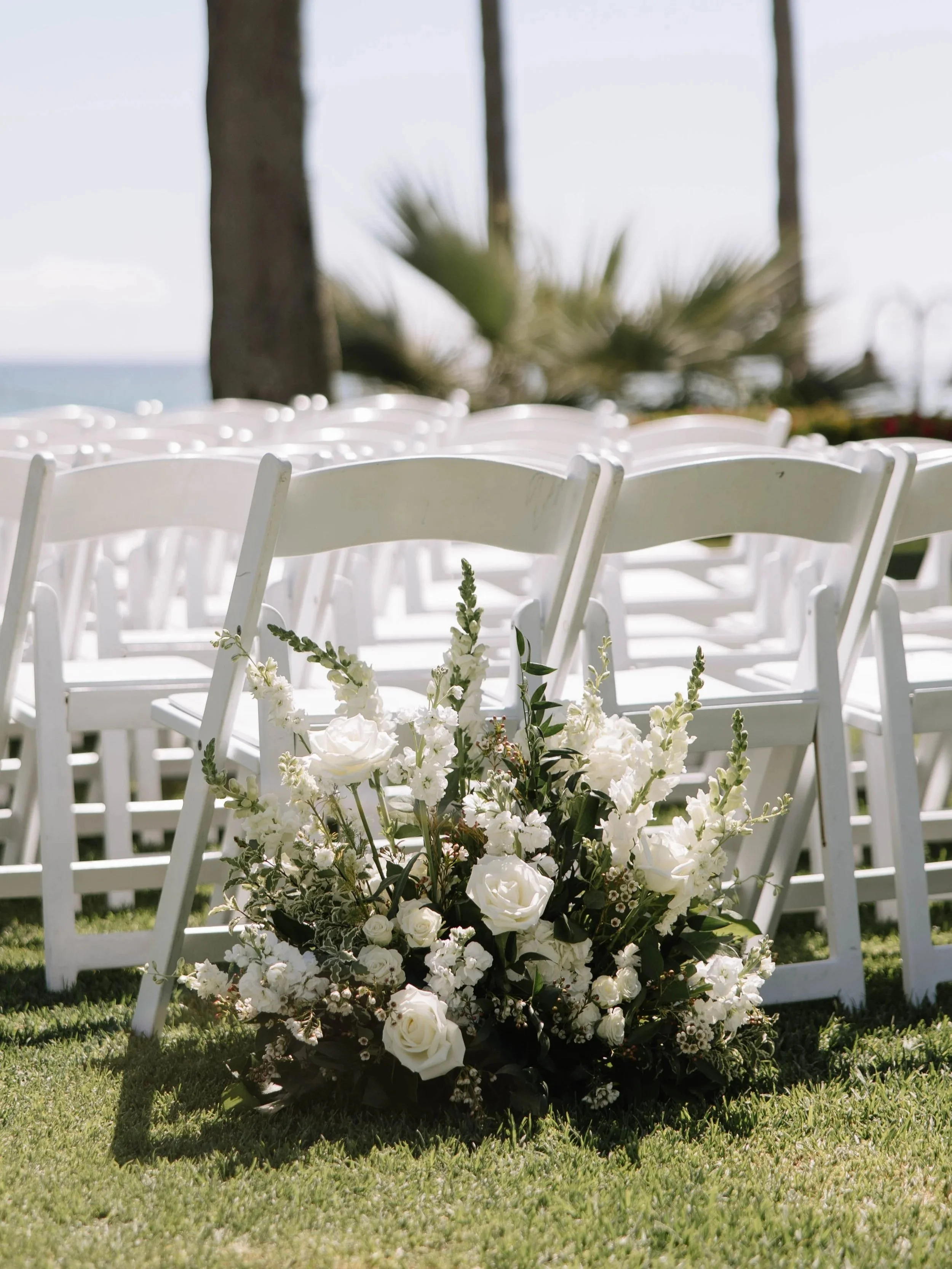
Floral & Design Teams
When couples walk into a beautifully transformed venue, they often see the florist's artistry.
What they don't see is the team that spent hours transporting arrangements, setting installations, placing candles, adjusting linens, and ensuring every detail looks perfect.
Large floral installations, ceremony arches, hanging greenery, and elaborate reception designs are rarely the work of one person.
Behind every stunning setup is a coordinated team making it happen.
Venue Teams
The venue itself is often one of the most important vendor teams on wedding day.
Venue coordinators, banquet captains, setup crews, maintenance staff, security personnel, and service teams all contribute to the guest experience.
A strong venue team helps support every other vendor on-site, creating a smoother environment for everyone involved.
What Couples Should Ask Before Booking
When meeting with potential vendors, don't just ask who your lead contact will be.
Ask about the team supporting them.
Consider questions like:
How many team members will be present on the wedding day?
Do you include assistants?
Will there be a second photographer?
How many bartenders are recommended for our guest count?
How many servers will be assigned to our event?
Who handles setup and breakdown?
What happens if additional support is needed?
These questions can reveal a lot about how prepared a vendor is to successfully execute your wedding.
The Best Weddings Are Team Efforts
At the end of the day, weddings aren't built by individual vendors working independently. They're built by teams of professionals working together toward a shared goal: creating an incredible experience for the couple and their guests.
The most successful wedding days happen when planners, photographers, caterers, bartenders, florists, entertainers, venue staff, and assistants all work in sync behind the scenes. When couples invest in well-staffed, collaborative vendor teams, they're not just paying for extra hands. They're investing in peace of mind, better service, smoother logistics, and a wedding day that truly feels effortless.